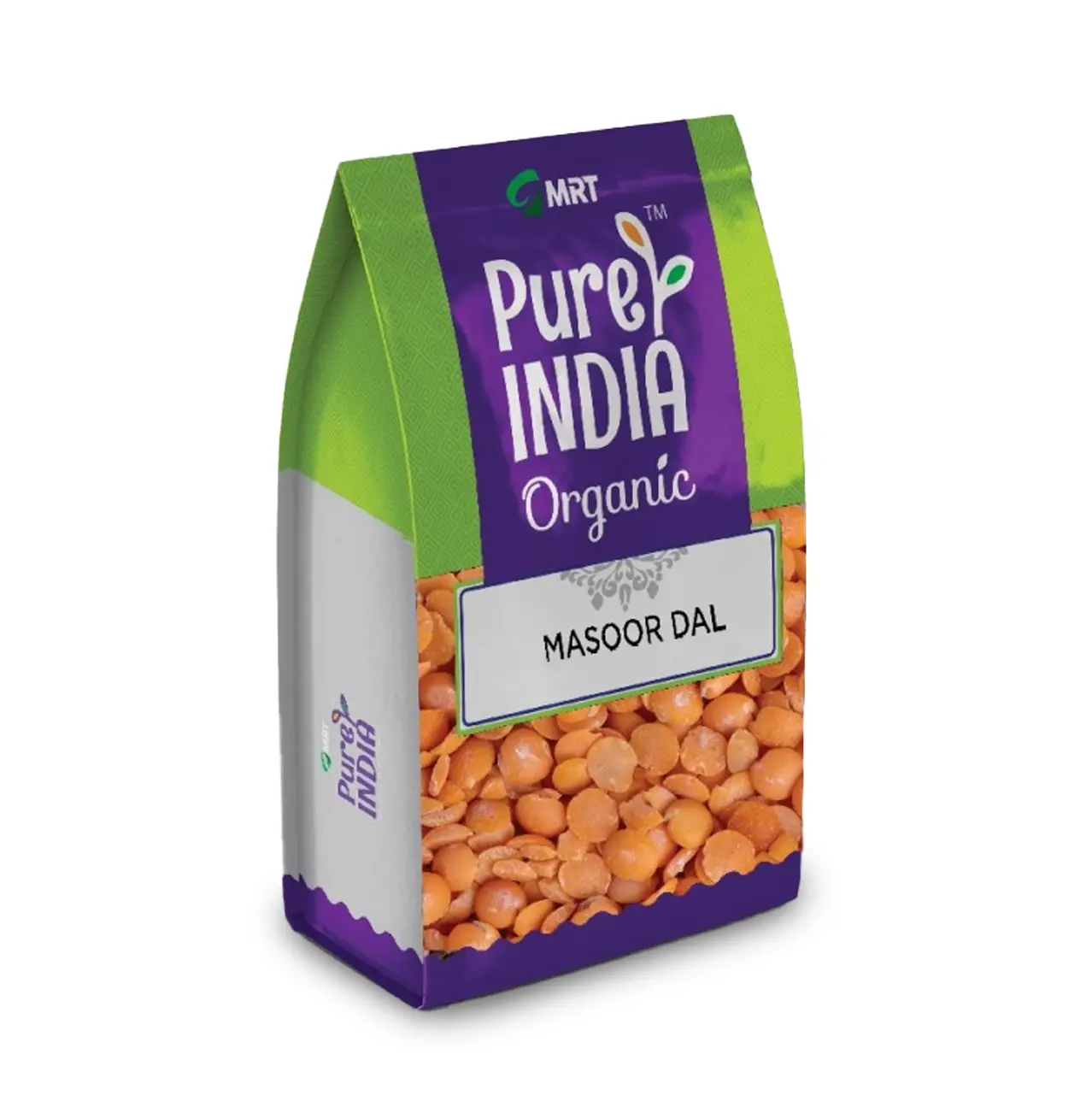
Description
NUTRITIONAL BENEFITS :
• According to the USDA National Nutrient Database 100 g of raw lentils (variety unspecified) provide 353 calories; the same weight of cooked lentils provides 116 kcal. Lentils are a rich source of numerous essential nutrients, particularly dietary fiber (11g/100g raw) andprotein (25g). Micronutrients in high content include folate (120% DV), thiamin (76% DV), phosphorus (64% DV), iron (58% DV) andzinc (50%), among others (table). Lentils have the second-highest ratio of protein per calorie of any legume, after soybeans.
• The low levels of readily digestible starch (5%), and high levels of slowly digested starch (30%), make lentils of potential value to people with diabetes. The remaining 65% of the starch is a resistant starch classified as RS1, as a high-content resistant starch, which is 32%amylose. A minimum of 10% in starch from lentils escapes digestion and absorption in the small intestine (therefore called “resistant starch”). Lentils also have anti-nutrient factors, such as trypsin inhibitors and a relatively high phytate content. Trypsin is an enzyme involved in digestion, and phytates reduce the bioavailability of dietary minerals. The phytates can be reduced by prolonged soaking and fermentation or sprouting